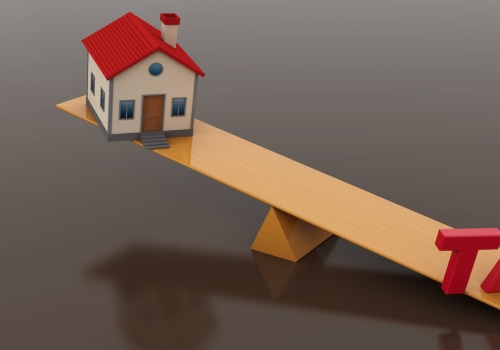
When it comes to purchasing a home, understanding home loans is crucial for prospective buyers. A home loan, or mortgage, is a financial agreement between a borrower and a lender that allows individuals to buy property without having to pay the full price upfront. This arrangement enables many people to achieve their dream of homeownership, but navigating the various types of mortgages can be overwhelming. Each mortgage type comes with its own set of requirements, benefits, and challenges, making it essential for buyers to familiarize themselves with their options.Among the myriad of mortgage types available, some are designed specifically to cater to those who may find it challenging to qualify for traditional financing.
Understanding these easy mortgages can significantly impact your home-buying journey. For instance, government-backed loans such as FHA, VA, and USDA loans often have more lenient qualification criteria compared to conventional loans. These options can be particularly beneficial for first-time homebuyers or those with less-than-perfect credit histories.Qualifying for a mortgage involves several factors, including credit score, income level, and debt-to-income ratio. However, many potential homeowners may not realize that there are pathways available that can simplify this process.
By exploring the easiest types of mortgages to qualify for, buyers can better position themselves in the competitive real estate market. This knowledge not only empowers them to make informed decisions but also helps them secure financing that aligns with their financial situation.In this article, we will delve deeper into the various types of home loans available and highlight which ones are the most accessible for those looking to purchase a home. Whether you are a first-time buyer or someone looking to refinance an existing mortgage, understanding these options will equip you with the tools necessary to navigate the lending landscape effectively.
What Makes a Mortgage Easy to Qualify For?
When considering what makes a mortgage easy to qualify for, several key factors come into play. Understanding these elements can help potential homebuyers navigate the often complex landscape of home loans.1.Credit Score
Your credit score is one of the most significant factors lenders evaluate when determining your eligibility for a mortgage.
Generally, a higher credit score indicates to lenders that you are a responsible borrower, which can lead to better loan terms. For many government-backed loans, such as FHA loans, you may qualify with a credit score as low as 580, while conventional loans typically require a score of at least 620.
2.Income Level
Lenders assess your income to ensure you have the financial means to repay the loan. A stable and sufficient income not only helps in qualifying for a mortgage but also influences the amount you can borrow. Many lenders prefer a debt-to-income (DTI) ratio of 43% or lower, meaning your monthly debt payments should not exceed 43% of your gross monthly income.
3.Down Payment Requirements
The size of your down payment can significantly impact your ability to qualify for a mortgage.
While traditional loans often require a down payment of 20%, many government-backed options allow for much lower down payments. For instance, FHA loans require as little as 3.5% down, making them accessible for first-time homebuyers or those with limited savings.
4.Employment History
A stable employment history is another critical factor that lenders consider. They typically look for at least two years of consistent employment in the same field or with the same employer. This stability reassures lenders that you have a reliable source of income to support your mortgage payments.
5.Loan Type
The type of mortgage you choose can also affect how easy it is to qualify.
Government-backed loans like FHA, VA, and USDA loans often have more lenient requirements compared to conventional loans. These programs are designed to assist specific groups of borrowers, such as veterans or those purchasing homes in rural areas.In summary, understanding these factors—credit score, income level, down payment requirements, employment history, and loan type—can empower potential homebuyers to make informed decisions when seeking home loans. By focusing on improving these areas, you can enhance your chances of qualifying for a mortgage that suits your financial situation.
FHA Loans: A Popular Choice for First-Time Buyers
FHA loans, or Federal Housing Administration loans, are a popular choice among first-time homebuyers due to their accessibility and favorable terms. Designed to promote homeownership, these loans offer several advantages that make them particularly appealing for those entering the housing market.Benefits of FHA Loans
- Lower Down Payment: One of the most significant benefits of FHA loans is the low down payment requirement.
Borrowers can secure a mortgage with as little as 3.5% down if they have a credit score of 580 or higher. This makes homeownership more attainable for individuals who may not have substantial savings.
- Flexible Credit Requirements: FHA loans are known for their lenient credit score requirements. While conventional loans typically require a score of at least 620, FHA loans allow borrowers with scores as low as 500 to qualify, provided they can make a larger down payment of 10%.
- Debt-to-Income Ratio: FHA guidelines permit higher debt-to-income ratios compared to conventional loans. This means that even if you have existing debts, you may still qualify for an FHA loan, making it easier for first-time buyers to manage their finances.
Eligibility Criteria for FHA Loans
To qualify for an FHA loan, borrowers must meet specific criteria:
- Primary Residence: The property must be your primary residence, meaning you intend to live in it rather than using it as an investment property.
- Steady Employment History: Lenders typically look for a stable employment history, usually requiring at least two years in the same job or field.
- Mortgage Insurance Premiums: FHA loans require both an upfront mortgage insurance premium (UFMIP) and monthly mortgage insurance premiums (MIP), which protect lenders in case of default.
Why FHA Loans Are Ideal for First-Time Homebuyers
The combination of lower down payments, flexible credit requirements, and manageable debt-to-income ratios makes FHA loans particularly suitable for first-time homebuyers.
Many individuals and families find themselves in situations where traditional financing options are out of reach due to stringent requirements. With an FHA loan, they can take the first step toward homeownership without feeling overwhelmed by financial barriers.In summary, FHA loans provide a viable pathway for first-time buyers looking to enter the housing market. Their accessibility and favorable terms make them one of the easiest types of mortgages to qualify for, allowing more people to achieve their dream of owning a home.
VA Loans: Benefits for Veterans and Active Military
For veterans and active military personnel, VA loans offer a unique opportunity to secure financing for a home without the burdens typically associated with traditional mortgages. These loans are specifically designed to honor the service of military members by providing favorable terms and conditions that can significantly ease the home buying process.Eligibility Requirements
- To qualify for a VA loan, you must meet specific service requirements, which generally include:
- Active duty service members who have served for at least 90 consecutive days during wartime or 181 days during peacetime.
- Veterans who have completed a minimum period of service, typically 24 months, or those who were discharged due to a service-related disability.
- Surviving spouses of veterans who died in service or as a result of a service-related condition may also be eligible.
Key Benefits of VA Loans
- No Down Payment: One of the most significant advantages of VA loans is that they often require no down payment, making homeownership accessible even for those who may not have substantial savings.
- No Private Mortgage Insurance (PMI): Unlike conventional loans that require PMI when the down payment is less than 20%, VA loans do not require this additional cost, which can save borrowers hundreds of dollars each month.
- Competitive Interest Rates: VA loans typically offer lower interest rates compared to conventional loans, which can lead to substantial savings over the life of the loan.
- Flexible Credit Requirements: While lenders will still assess creditworthiness, VA loans are generally more forgiving of lower credit scores compared to conventional financing options.
- Assumable Loans: VA loans can be assumed by qualified buyers if you decide to sell your home, which can be an attractive selling point in a competitive market.
Simplifying the Home Buying Process
The VA loan process is designed to be straightforward and efficient.
Veterans and active military members can access resources through the Department of Veterans Affairs, which provides guidance on how to apply for these loans. Additionally, many lenders are familiar with the VA loan process and can assist borrowers in navigating the necessary paperwork and requirements.In conclusion, VA loans present an excellent opportunity for veterans and active military personnel to achieve their dream of homeownership. With benefits such as no down payment, no PMI, and competitive interest rates, these loans simplify the path to securing a home while honoring those who have served our country.
USDA Loans: Financing for Rural Homebuyers
For many potential homebuyers, especially those looking to settle in rural areas, USDA loans present an attractive financing option. These loans are specifically designed to promote homeownership in less densely populated regions, making them a viable choice for individuals and families seeking affordable housing outside urban centers.Eligibility Requirements
- Location: To qualify for a USDA loan, the property must be located in an eligible rural area as defined by the USDA.
This includes many suburban areas that may not be considered traditional rural but still meet the criteria.
- Income Limits: USDA loans are intended for low to moderate-income borrowers. Generally, your household income must not exceed 115% of the median income for your area. This ensures that the program assists those who truly need financial support.
- Credit Score: While there is no strict minimum credit score requirement, most lenders prefer a score of at least 640. However, some lenders may consider lower scores if you can demonstrate a reliable payment history and stable income.
- Debt-to-Income Ratio: Your debt-to-income (DTI) ratio should ideally be below 41%, although some flexibility may be allowed depending on your overall financial situation.
Benefits of USDA Loans
- No Down Payment: One of the most significant advantages of USDA loans is that they offer 100% financing, meaning you can purchase a home without a down payment.
This feature makes homeownership accessible to those who may struggle to save for a traditional down payment.
- Lower Mortgage Insurance: USDA loans typically have lower mortgage insurance premiums compared to FHA or conventional loans, which can lead to substantial savings over the life of the loan.
- Fixed Interest Rates: These loans often come with fixed interest rates, providing stability in monthly payments and protecting borrowers from fluctuating market rates.
Conventional Loans: Are They an Option?
When considering home loans, many potential buyers often wonder about the viability of conventional loans, especially if they have less-than-perfect credit. Conventional loans are not backed by any government agency, which means they are offered by private lenders and come with their own set of requirements and guidelines.Understanding Conventional Loans
Conventional loans can be divided into two categories: conforming and non-conforming loans.
Conforming loans adhere to the guidelines set by Fannie Mae and Freddie Mac, which include limits on loan amounts and specific borrower qualifications. Non-conforming loans, on the other hand, do not meet these standards and may have different terms and conditions.
Qualifying for Conventional Mortgages
To qualify for a conventional mortgage, borrowers typically need to meet certain criteria:
- Credit Score: Most lenders require a minimum credit score of around 620. However, a higher score can significantly improve your chances of approval and secure a better interest rate.
- Down Payment: Conventional loans usually require a down payment of at least 3% to 5%. A larger down payment can help you avoid private mortgage insurance (PMI), which is an additional cost that protects the lender in case of default.
- Debt-to-Income Ratio: Lenders generally prefer a debt-to-income (DTI) ratio of 43% or lower.
This ratio compares your monthly debt payments to your gross monthly income, helping lenders assess your ability to manage additional mortgage payments.
- Employment History: A stable employment history is crucial. Lenders typically look for at least two years of consistent employment in the same field.
Comparing Conventional Loans to Government-Backed Options
While conventional loans can be an option for many borrowers, they may not be the best choice for those with lower credit scores or limited financial resources. Government-backed loans, such as FHA, VA, and USDA loans, often have more lenient requirements. For instance, FHA loans allow for credit scores as low as 580 with a 3.5% down payment, making them more accessible for first-time homebuyers or those with financial challenges.
Is a Conventional Loan Right for You?
If you have a solid credit history and can meet the down payment requirements, a conventional loan might be a suitable option.
However, if your credit score is below the typical threshold or if you struggle with debt-to-income ratios, exploring government-backed loans could provide more favorable terms and conditions.Ultimately, understanding your financial situation and comparing all available options will help you make an informed decision about which type of home loan is best suited for your needs.
Alternative Financing Options for Low Credit Scores
For individuals with low credit scores, securing a mortgage can often feel like an uphill battle. However, there are alternative financing options available that can help you achieve your dream of homeownership. These options cater specifically to those who may not meet the traditional lending criteria.One of the most promising avenues for low credit mortgages is through lenders who consider non-traditional credit data. Unlike conventional lenders who primarily rely on credit scores, these lenders may evaluate your payment history on utilities, rent, and other recurring expenses.This approach allows them to gain a more comprehensive view of your financial responsibility.Additionally, some lenders offer subprime loans , which are designed for borrowers with less-than-perfect credit. While these loans can come with higher interest rates, they provide an opportunity for individuals to secure financing when traditional options are unavailable. It’s essential to shop around and compare offers from different lenders to find the best terms available.Another option is to explore co-signer agreements. If you have a family member or friend with a strong credit history willing to co-sign your mortgage, this can significantly improve your chances of approval.
A co-signer essentially agrees to take on the responsibility of the loan if you default, which reduces the lender's risk.Furthermore, consider looking into community programs or non-profit organizations that assist first-time homebuyers. Many of these programs offer financial education and may provide down payment assistance or favorable loan terms for those with low credit scores.Lastly, it’s crucial to maintain a stable employment history and demonstrate consistent income. Lenders often look favorably upon borrowers who can show they have a reliable source of income, even if their credit score is not ideal. By focusing on these alternative financing options and improving your overall financial profile, you can increase your chances of qualifying for a home loan despite having a low credit score.
Understanding Mortgage Rates and Their Impact on Qualification
Understanding how mortgage rates are determined is crucial for anyone looking to secure a home loan.Mortgage rates can fluctuate based on a variety of factors, including economic conditions, inflation, and the overall demand for housing. However, one of the most significant influences on the rates you may be offered is your credit score.
How Mortgage Rates Are Determined
- Economic Indicators: Mortgage rates are closely tied to broader economic indicators such as the Federal Reserve's interest rate decisions, employment rates, and inflation. When the economy is strong, rates tend to rise; conversely, they often fall during economic downturns.
- Market Demand: The demand for mortgage-backed securities can also impact rates. When investors are eager to purchase these securities, lenders may lower rates to attract more borrowers.
- Loan Type: Different types of loans come with varying rates.
For instance, government-backed loans like FHA and VA loans typically offer lower rates compared to conventional loans due to their reduced risk for lenders.
The Impact of Credit Scores on Mortgage Rates
Your credit score plays a pivotal role in determining the interest rate you will receive on your mortgage. Generally, a higher credit score indicates to lenders that you are a lower-risk borrower, which can lead to more favorable loan terms.
- Excellent Credit (740+): Borrowers in this range often qualify for the best available rates, which can significantly reduce monthly payments over the life of the loan.
- Good Credit (700-739): While still favorable, borrowers may see slightly higher rates compared to those with excellent credit.
- Fair Credit (640-699): Those with fair credit may face higher interest rates and could be required to make a larger down payment.
- Poor Credit (below 640): Borrowers in this category may struggle to qualify for traditional loans and could be limited to higher-rate options or government-backed loans designed for those with less-than-perfect credit.
Understanding Interest Rates
The interest rate on your mortgage directly affects your monthly payment and the total cost of your home over time. A small difference in interest rates can lead to substantial savings or costs over the life of a loan. Therefore, it’s essential to shop around and compare offers from different lenders.In conclusion, being aware of how mortgage rates are set and understanding the impact of your credit score can empower you as a borrower.
By improving your credit score before applying for a mortgage, you can potentially secure a lower interest rate, making homeownership more affordable in the long run.
Preparing Your Finances Before Applying for a Mortgage
Preparing your finances before applying for a mortgage is crucial to ensure you qualify for the best possible home loan terms. A well-organized financial strategy can significantly enhance your chances of approval and help you secure a favorable interest rate.1.Assess Your Credit Score
Your credit score plays a pivotal role in determining your eligibility for a mortgage. Lenders typically prefer borrowers with higher credit scores, as they are seen as less risky. To improve your credit score:
- Check Your Credit Report: Obtain a free copy of your credit report from the three major credit bureaus—Equifax, Experian, and TransUnion.
Review it for any inaccuracies or outdated information that could negatively impact your score.
- Pay Bills on Time: Consistently paying your bills on time is one of the most effective ways to boost your credit score. Set up reminders or automatic payments to avoid late fees.
- Reduce Credit Card Balances: Aim to keep your credit utilization ratio below 30%. This means using less than 30% of your available credit limits, which can positively influence your score.
2.Understand Your Debt-to-Income Ratio
Your debt-to-income (DTI) ratio is another critical factor lenders consider when evaluating your mortgage application. This ratio compares your monthly debt payments to your gross monthly income.
A lower DTI indicates that you have a manageable level of debt relative to your income, making you a more attractive candidate for a mortgage.
- Calculate Your DTI: To calculate your DTI, add up all your monthly debt payments (including credit cards, student loans, and car loans) and divide that total by your gross monthly income. Aim for a DTI of 43% or lower.
- Reduce Existing Debt: If your DTI is higher than recommended, consider strategies to pay down existing debts. Focus on high-interest debts first while making minimum payments on others.
3.Save for a Down Payment
Consider opening a dedicated savings account to keep these funds separate.
Common FAQs About Easy Mortgages
When considering easy mortgages, many potential homebuyers have questions about the qualification process and what options are available. Here are some common FAQs that can help clarify these concerns:- What is the easiest type of mortgage to qualify for?
The easiest type of mortgage to qualify for is typically an FHA loan. These loans are designed for low-to-moderate-income borrowers and have more lenient credit score requirements. With a minimum credit score of 580, you can secure a loan with just a 3.5% down payment.If your score is between 500 and 579, you may still qualify with a 10% down payment.
- Are there specific income requirements for easy mortgages?
Yes, while FHA loans do not have strict income limits, they do require that your debt-to-income ratio remains manageable. Generally, lenders prefer a ratio of 43% or lower. For USDA loans, however, there are specific income limits based on the area’s median income. - Can I qualify for a mortgage with bad credit?
Yes, it is possible to qualify for a mortgage with bad credit, especially through government-backed loans like FHA or VA loans. These programs are designed to assist borrowers who may not meet the stringent requirements of conventional loans. - What documents do I need to apply for an easy mortgage?
When applying for an easy mortgage, you will typically need to provide proof of income (such as pay stubs or tax returns), bank statements, and identification.Lenders may also require documentation regarding your debts and assets.
- How long does it take to get approved for an easy mortgage?
The approval process can vary but generally takes anywhere from a few days to several weeks. Factors such as the lender's workload and the completeness of your application can influence this timeline.
<strong>Conclusion</strong>: Finding the Right Mortgage for You
Choosing the right mortgage can be a daunting task, especially with the myriad of options available in the market today. Understanding the different types of home loans and their specific requirements is crucial for making an informed decision that aligns with your financial situation and long-term goals.As we have discussed, FHA loans are often considered the easiest type of mortgage to qualify for due to their flexible credit score and income requirements.They are particularly beneficial for first-time homebuyers or those with less-than-perfect credit. However, it’s essential to evaluate your personal circumstances, including your credit history, income stability, and future financial plans.In addition to FHA loans, VA loans and USDA loans present excellent alternatives for eligible borrowers. VA loans offer unique advantages such as zero down payment and no private mortgage insurance (PMI), making them an attractive option for veterans and active military personnel. On the other hand, USDA loans cater to rural homebuyers with specific income limits, providing a pathway to homeownership in less populated areas.When considering a mortgage, it’s also important to take into account factors such as:
- Your Credit Score: A higher credit score can significantly improve your chances of qualifying for better loan terms and lower interest rates.
- Debt-to-Income Ratio: Lenders assess your ability to manage monthly payments based on your total debt compared to your income.
- Down Payment: The amount you can afford to put down upfront can influence the type of loan you qualify for and the overall cost of your mortgage.
They can help you understand the nuances of each loan type and assist you in finding a mortgage that not only meets your immediate needs but also supports your long-term financial health.In conclusion, while there are several options available, taking the time to assess your unique situation will empower you to make a choice that leads to successful homeownership.